Frequently Asked Questions
-
What is generational fairness?
Generational unfairness is the underlying disease driving some of Canada's biggest problems: unaffordable housing, the high cost of raising a family, a deteriorating climate, age imbalances in government spending and debt, and rising medical care investments that aren’t making our country healthier.
Check out the "Generational fairness? What the #$@!% is that?" episode of our Hard Truths Podcast to learn more.
-
How do younger and older Canadians experience generational unfairness?
The symptoms of our broken generational system are all around. How you experience them depends on when you were born. Younger people are squeezed for money, time and services, while inheriting growing financial and climate debts. Older people are worried about the legacy they're leaving for kids and grandkids they love.
Learn how younger and older Canadians experience generational unfairness:
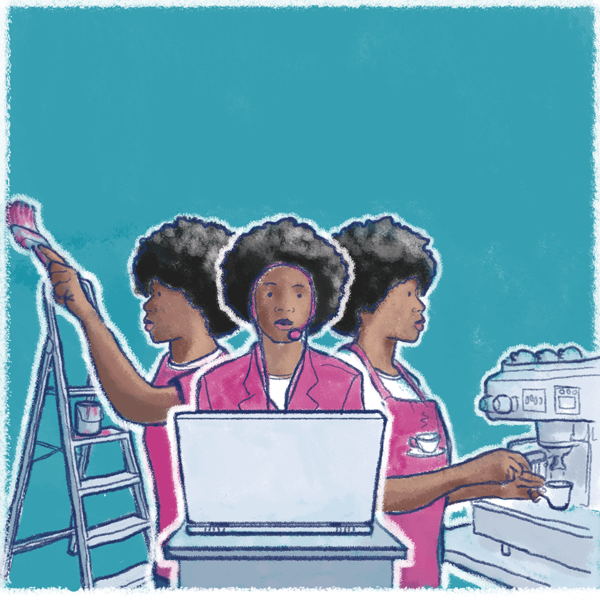
Under 45 and feeling squeezed?
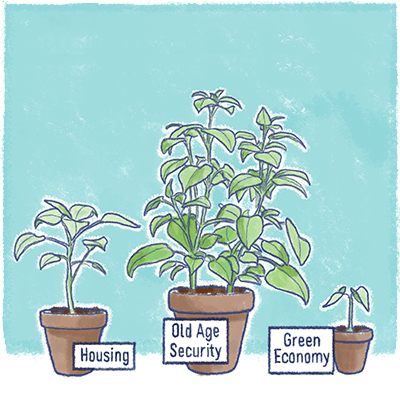
Older and worried about your legacy?
-
Why has Canada's generational system broken down?
Canada's generational system has broken down, because for decades, we've been failing to live up to the principles of generational fairness.
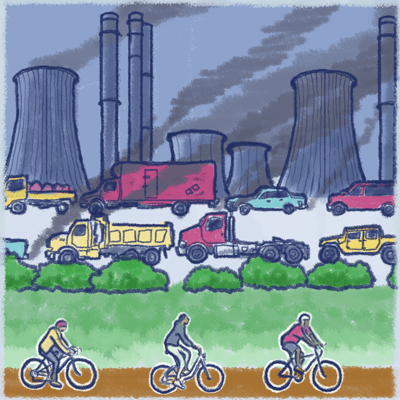
We’re Failing to be Good Stewards
By extracting so much of the atmosphere’s scarce capacity to absorb carbon, older generations are leaving a legacy of big climate risks and costs for younger people, including more frequent extreme weather.
Thanks to rising prices, many home owners have extracted huge wealth from the housing system, especially those fortunate enough to buy into the market decades ago. Growing their wealth has come at the cost of harmful unaffordability for younger people, newcomers, and renters.
Hard work no longer pays off for young people the way it did for previous generations, thanks to declining wages and higher costs for things like education, housing, and child care. The generation raising young children is doing all it can to adapt by going to school longer, devoting more time to paid work, and scaling back expectations for their homes (in terms of size, access to yards, and proximity to employment). Despite these adaptations, more than one-quarter of Canadian children are vulnerable when they enter kindergarten.
We’re Failing to Foster Generational Reciprocity
While risks for younger people grow, many still think seniors are more likely to be economically vulnerable. But today’s retirees enjoy more wealth (especially housing wealth) and are less likely to have low incomes than other age groups.
Simultaneously, governments are growing investments in medical care at a pace that crowds out spending on the social conditions necessary to create health. So long as Canadians can’t access safe homes, good incomes, quality child care, and a healthy environment, our medical care system will never be enough to prevent people from dying early.
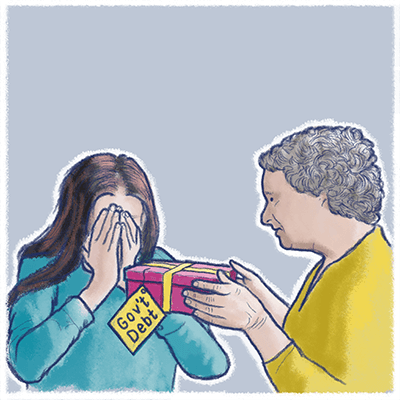
The aging family members we love worked hard and paid their taxes, but they still haven’t contributed enough to fully pay for the publicly-funded retirement income and medical services they now wish to use. Older generations are leaving their bills unpaid, kicking these costs down the road for those who follow. As a result, young adults are paying more in taxes to cover the cost of medical care and income support for the aging population than what today's retirees paid to support their parents and grandparents when they were young.
All the while, government debts are growing. Even before COVID, this debt was 3 times larger for Canadians under age 45 compared to four decades earlier – largely because we haven’t collected enough revenue to cover escalating spending on retirement income security and medical care. Since governments don’t report revenue and spending trends by age, age imbalances in our planning aren’t very visible.
We’re Failing to Plan for All Ages
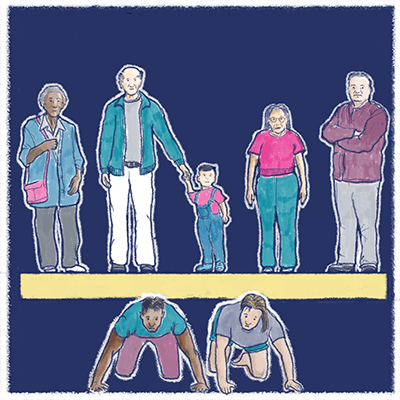
Governments have increased spending on retirees 4 times faster than on younger Canadians. Older generations are being prioritized, as hard work pays off less for younger Canadians.
Global Age Watch ranks Canada in the top five countries in which to grow old.
UNICEF ranks Canada toward the bottom of countries when it comes to promoting child wellbeing.
Given these diverging rankings, Canada is identified as a laggard when it comes to promoting intergenerational justice.
-
How can we be better ancestors?
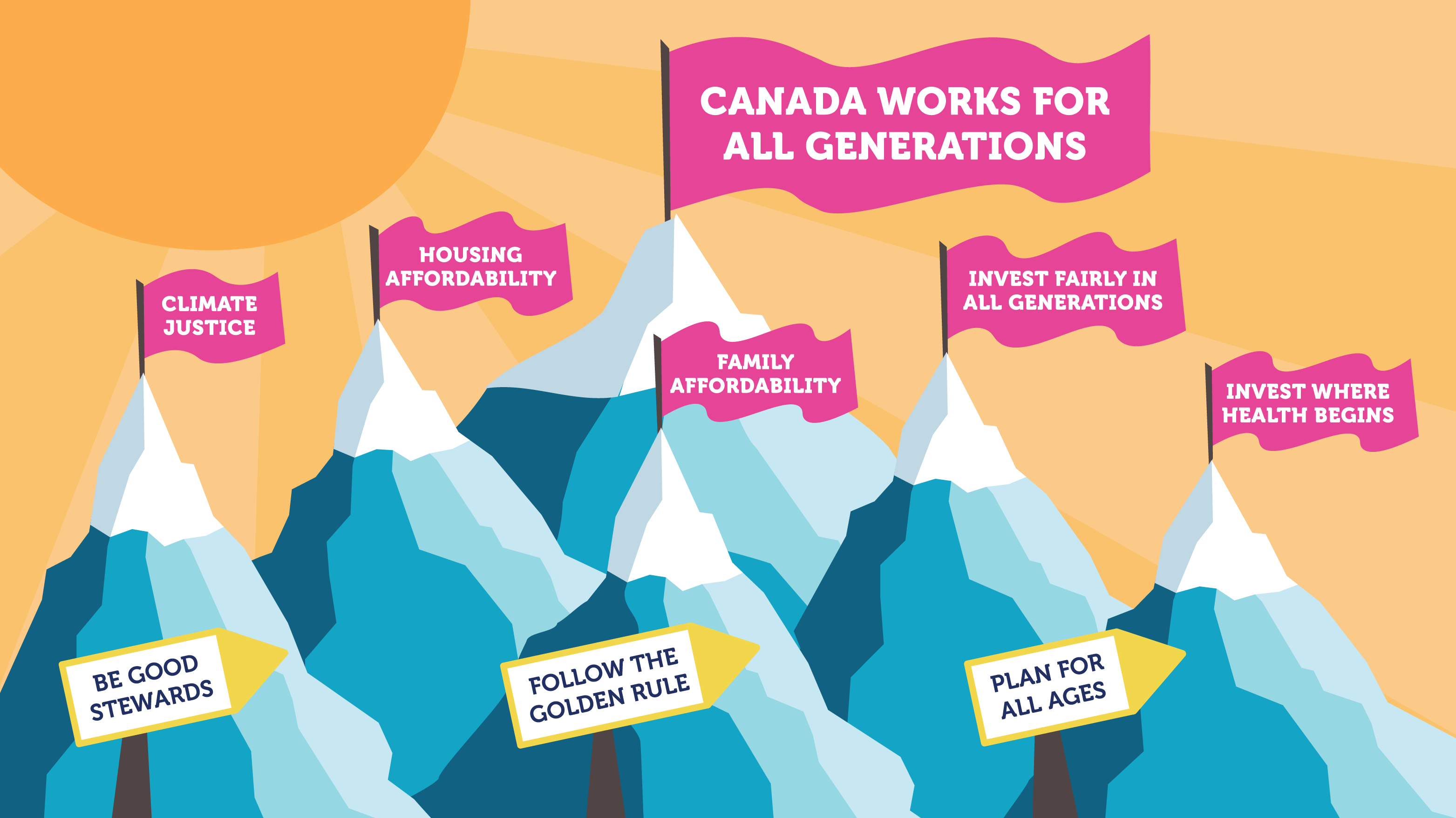
Within families, generations care for one another and strive to create a better future for their kids and grandkids. Generation Squeeze is calling for the same intergenerational solidarity and long-term stewardship from our governments.
By championing generational fairness, we're building a Canada where young and old alike have the chance to thrive, while being good ancestors to those who follow in our footsteps.
We're asking Canadians and our elected leaders to:
Be good stewards
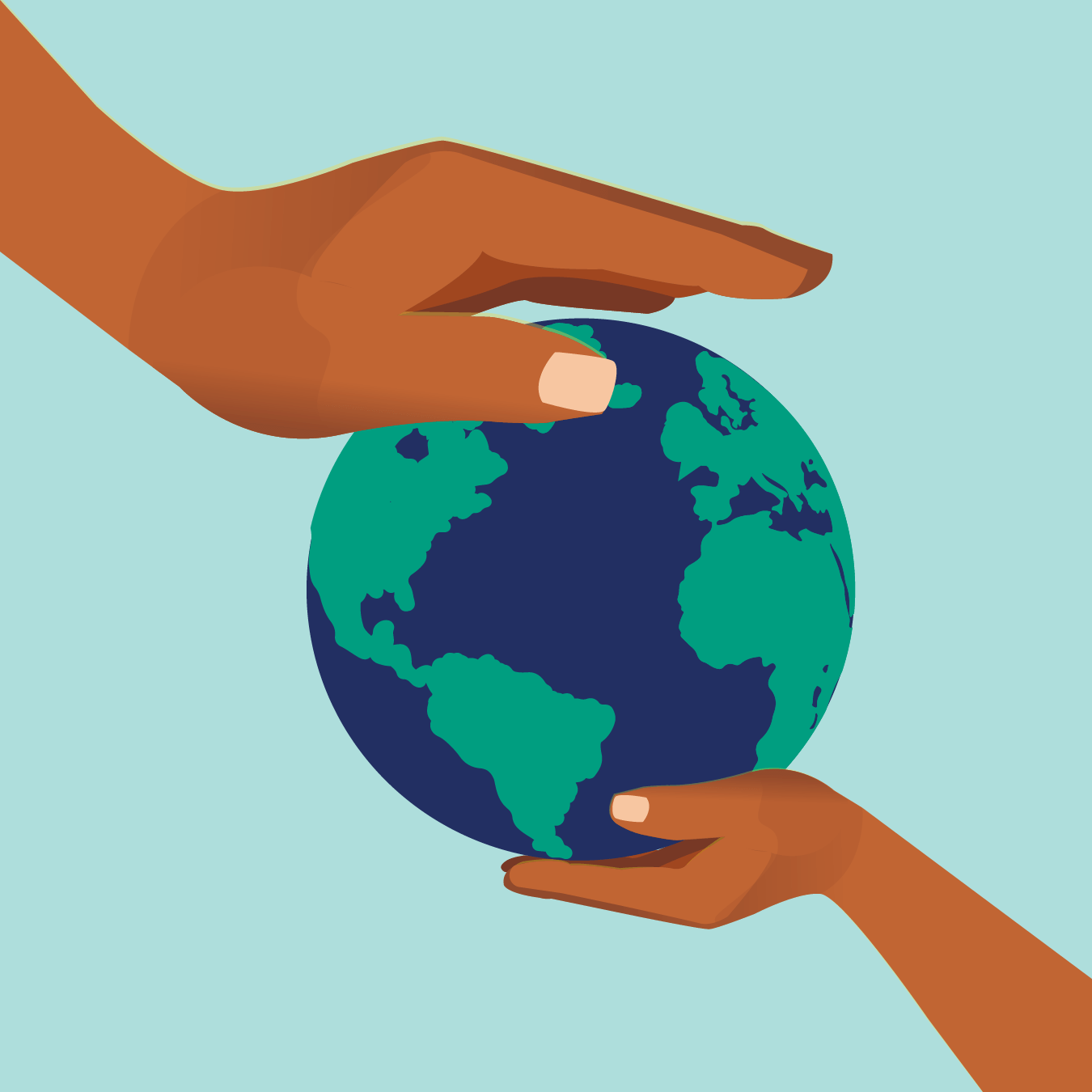
Preserve what we hold sacred for those who follow: a healthy childhood, home, and planet.
Follow the golden rule
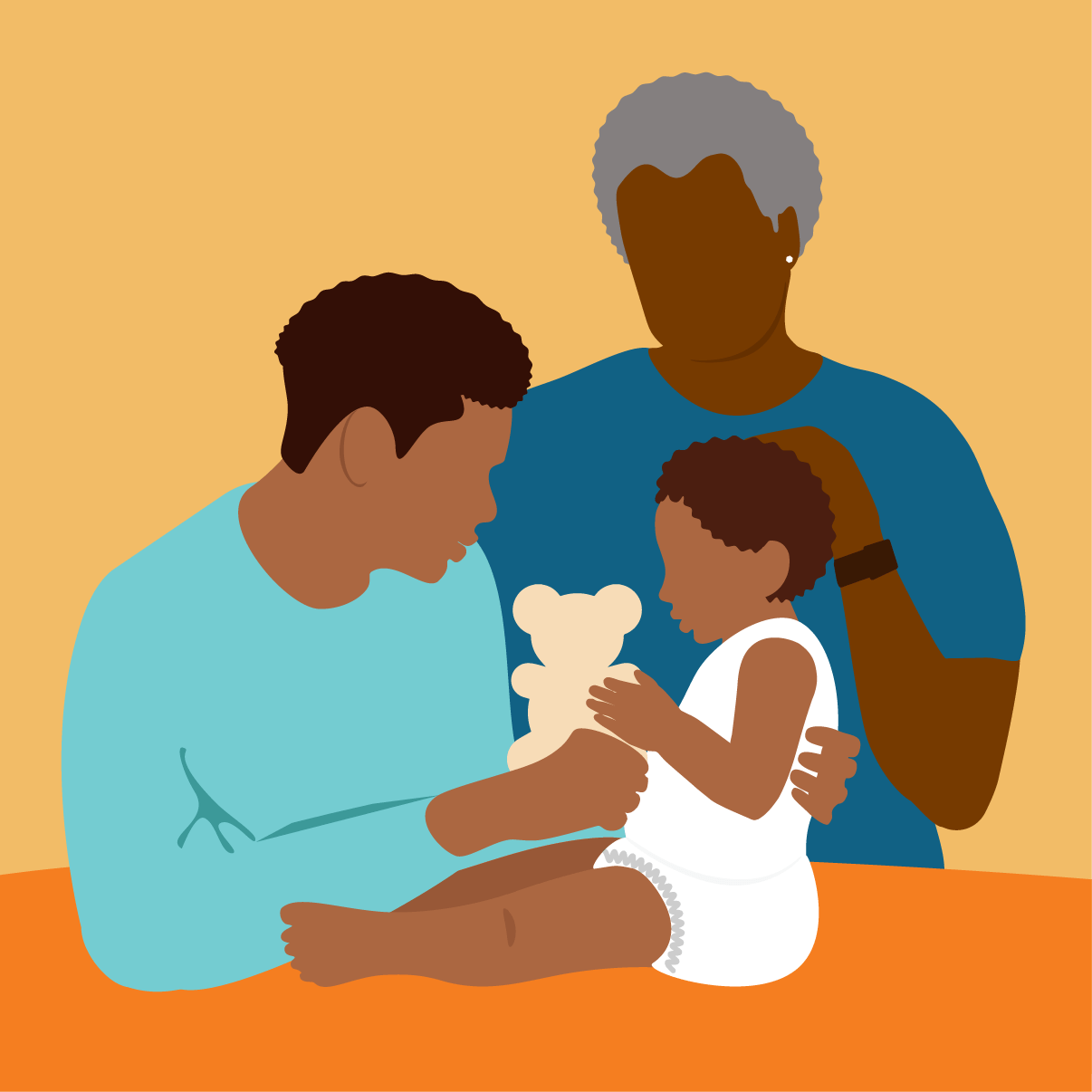
Treat all generations as you would want your own generation to be treated.

Plan for all ages
Use our public resources wisely to meet Canadians’ needs from the early years onwards.
Generation Squeeze develops and advocates for policy solutions that will make Canada work more fairly for all generations.
-
How well is the Government of Canada delivering “Fairness for Every Generation”?
Check out our Canada's 2024 Generational Fairness Report Card to find out!
-
Where does the idea of “good ancestry” come from?
We're deeply grateful to Roman Krznaric and his book, "The Good Ancestor: How to Think Long Term in a Short-Term World," which popularized the idea of good ancestry.